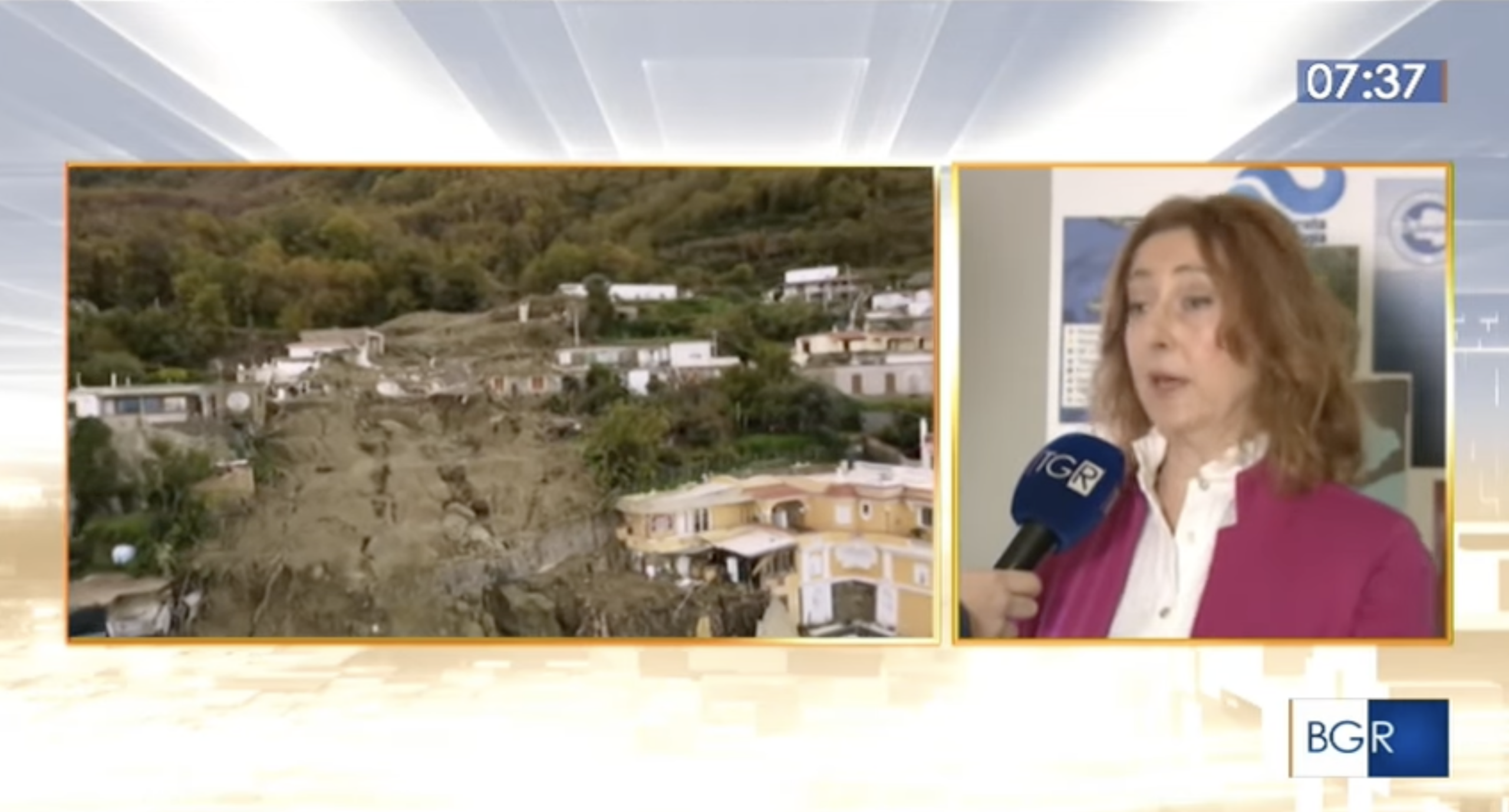
Southern Italy, including regions such as Calabria, Sicily, Basilicata and parts of Campania and Apulia, is increasingly exposed to extreme weather events — from prolonged heatwaves and droughts to short, intense rainfall that can trigger flash floods and landslides. Professor Giannetta Fusco, climate scientist at the University of Naples “Parthenope”, explains that this pattern is not random but deeply tied to ongoing climate change and Mediterranean climate dynamics.
“Over the past decades,” Fusco explains, “we’ve observed a clear shift in the character of weather extremes — the heatwaves are longer, drought periods are more pronounced, and when rain does occur, it can be very intense and localized.” This duality — increasing dry spells coupled with extreme precipitation events — reflects the Mediterranean’s position as a climate change hotspot. In warmer air, the atmosphere holds more moisture, which can lead to heavier rainfall over short periods, even as overall annual precipitation may decline.
Heatwaves and Human Health
One of the most frequent extremes Fusco discusses are heatwaves. Southern Italy regularly experiences heat stresses that surpass historical averages, with summer temperatures in the low 40s °C becoming more common. These events increase heat-related illnesses and mortality, especially among vulnerable populations, and place stress on energy systems due to higher demand for cooling. In 2025, meteorological projections even suggested record-level temperature spikes in Sicily, with potential peaks near 45 °C — near the highest ever recorded in Italy.
“Heat affects every sector,” Fusco notes. “Agriculture suffers from thermal stress and soil moisture depletion; ecosystems become more fragile, and public health systems face new challenges.” In urban areas, the “heat island” effect compounds these issues, meaning city centers heat up even more than surrounding countryside.
Droughts, Fires and Water Stress
Heatwaves often coincide with prolonged droughts. These dry periods reduce soil moisture, lower river flow, and stress water resources — particularly reservoirs in Sicily and inland basins across the south. Over recent years, satellite observations have documented sustained reductions in lake level and river discharge, reflecting a broader pattern of hydrological stress.
This arid condition substantially increases wildfire risk, especially in summer and early autumn. Although the total number of fires may vary year-to-year, the areas burned in the south have remained significant, affecting forests, pastures and agricultural land — and revealing the broader systemic nature of drought impacts.
Intense Rainfall, Flash Floods and Erosion
Paradoxically, even as drought conditions dominate parts of the year, Southern Italy remains vulnerable to short-duration intense rain events — sometimes delivering most of a year’s rainfall in a few hours. These bursts can overwhelm drainage infrastructure and trigger flash floods and rapid soil erosion on steep terrain. Some regional climate studies show upward tendencies in short-duration rainfall extremes, though trends can vary by location and require further data.
“These events are particularly dangerous,” Fusco emphasizes, “because people and landscapes are often unprepared for such rapid transitions — from drought to deluge.” Steep and urbanized hillsides are prone to landslides when the soil is both baked dry and then suddenly saturated.
Socio-Economic Impacts and Preparedness
Fusco’s work highlights that extreme weather is not only an environmental concern but a social and economic risk. Heatwaves can reduce labor productivity, crop yields, and increase healthcare costs. Drought limits water availability for drinking and irrigation. Flash floods and landslides can destroy infrastructure, homes, and transport links, while wildfires damage ecosystems and tourism resources.
Adaptation and mitigation strategies are crucial. “We must strengthen early warning systems, enhance land-use planning that avoids building in high-risk zones, and integrate climate resilience into agricultural and water management policies,” Fusco says. “Science must guide policy — and society must be informed and ready.”
Looking Ahead
Southern Italy is already experiencing the fingerprints of climate change. With global warming continuing, the region can expect more frequent and intense extremes — heat, drought, and episodic intense rainfall — each with cascading effects on ecosystems and human well-being.
Fusco’s message resonates with scientific consensus: urgent action is needed not only to reduce greenhouse gas emissions but also to build resilience in vulnerable communities and infrastructures across the Mediterranean. Without systemic intervention, extreme weather will increasingly become the norm rather than the exception.